Live a Balanced Life

Popular Posts:

Ab Series, Teaser Variations

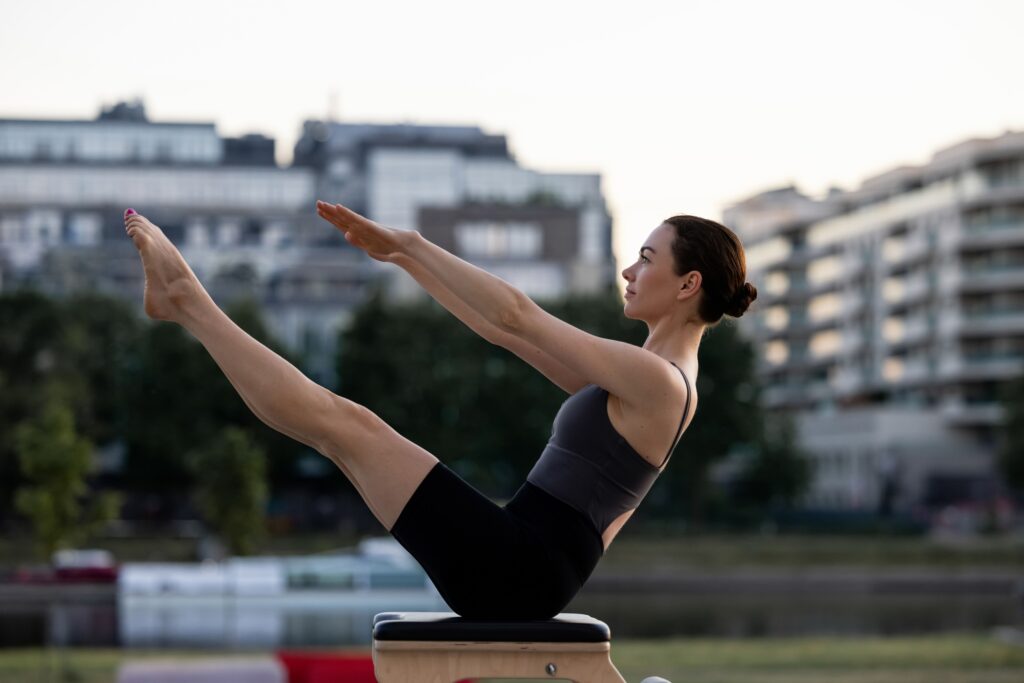
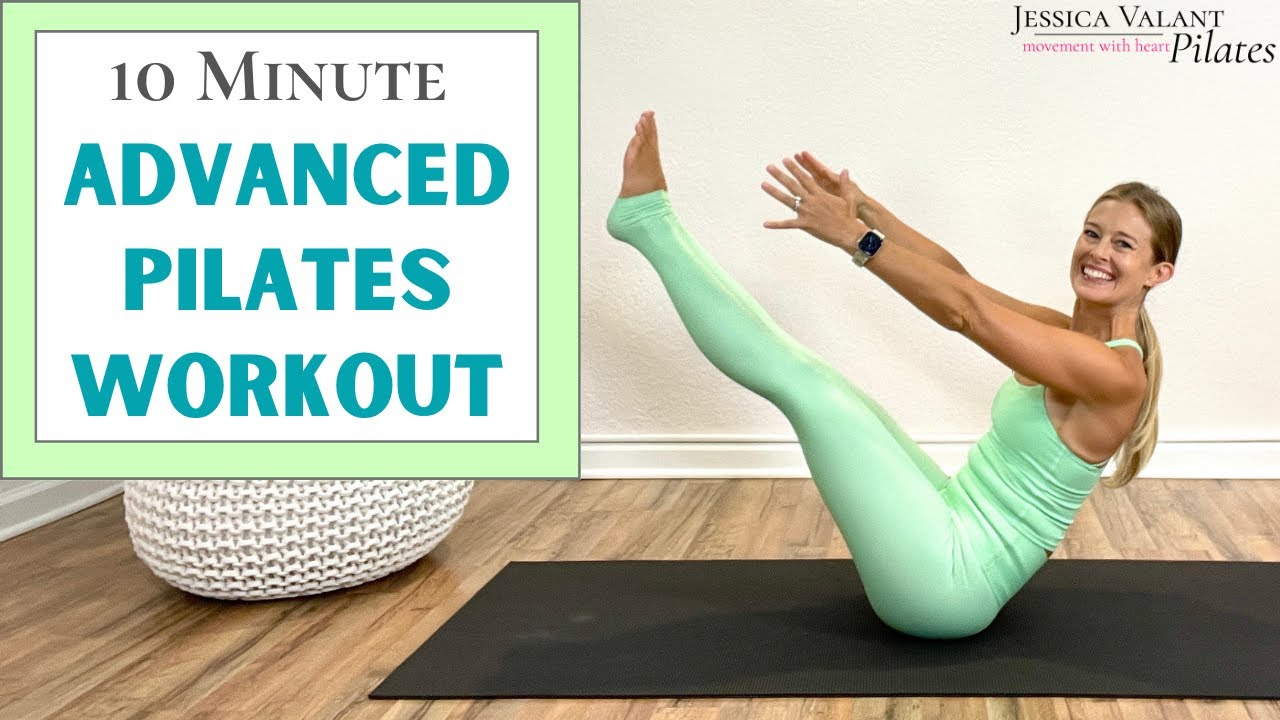
The Ab Series and Teaser are two of the most recognizable and demanding elements within Pilates. They are often seen as milestones in a practitioner’s journey, representing not just abdominal strength but control, coordination, breath, and precision. While they are frequently grouped together because of their shared focus on core work, each serves a distinct purpose within the Pilates method. Understanding how the Ab Series prepares the body for Teaser variations reveals why these exercises are so effective and why they continue to challenge practitioners at every level. Rather than being about brute strength, both the Ab Series and Teaser variations emphasize efficiency. They

Read More »

Portable Reformer Routines

Reformer Pilates is often associated with sleek machines in beautiful studios—but what if you could take the power of the reformer with you, anywhere? With the rise of portable reformers, home-based Pilates training has become more accessible than ever. Whether you’re traveling, short on space, or simply want to train on your own terms, portable reformer routines offer all the core-strengthening, posture-enhancing benefits of a full-size reformer in a compact and convenient format. In this guide, we’ll explore what portable reformers are, how they differ from studio equipment, how to build effective routines using them, and why they’re a smart choice for anyone wanting

Read More »

Be the first to know about new posts

RECENT / HEALTH

Seated Roll Down and Toe Taps

In Pilates, precision and control are everything. While flashy movements might draw attention, it’s often the slower, more deliberate exercises that truly strengthen the core and improve posture. Two essential movements that exemplify this are the Seated Roll Down and Toe Taps. These exercises might look simple, but they’re incredibly effective when performed with focus and intention. Together, they create a powerhouse combo that targets spinal articulation, core stability, and coordination. Let’s break down how each movement works, their benefits, and how to safely incorporate them into your practice for optimal results. What Is the Seated Roll Down? The Seated Roll Down is a

Bodyweight-Only Sequences

One of the most beautiful aspects of Pilates is its accessibility—you don’t need fancy machines or pricey gear to experience transformative results. Bodyweight-only sequences are a testament to this simplicity. Using nothing but your own body, breath, and focus, you can build remarkable strength, improve flexibility, and develop core control. These sequences are adaptable, challenging, and incredibly effective for all levels. Whether you’re practicing at home, traveling, or just prefer a minimalist approach, this guide will walk you through the benefits, structure, and variations of bodyweight-only Pilates sequences, with tips on how to make the most of them. Why Choose Bodyweight Pilates? Skipping equipment

Hamstring Stretch and Spinal Articulation

In Pilates, strength and flexibility don’t live in separate worlds—they blend together through mindful movement. Two of the most foundational yet transformative elements in this practice are the hamstring stretch and spinal articulation. On their own, they each serve important physical functions, but when integrated together, they unlock a new level of fluidity, balance, and control in the body. If your goal is to move better, reduce tightness, and build a more connected core, this combination is your starting point. In this article, we’ll explore why hamstring mobility and spinal articulation are essential, how to practice them effectively, and how they impact your overall

Recent / Mindfulness

Breathing Techniques in Pilates

When people think of Pilates, they often imagine smooth, controlled movements that tone the body and build core strength. But at the heart of every effective Pilates session lies something often underestimated — breath. Breathing in Pilates isn’t just about oxygen intake; it’s a foundational principle that ties mind to movement, enhances control, and elevates physical awareness. In this article, we’ll explore how breathing is used in Pilates, the different techniques, their benefits, and how integrating breath with movement can transform your practice. Why Breathing Matters in Pilates Joseph Pilates, the founder of the method originally called Contrology, emphasized that “breathing is the first

Overarching and Breath Holding

In the pursuit of better posture, toned muscles, and graceful movement, many people unknowingly develop habits in their Pilates practice that work against them. Two of the most common pitfalls? Overarching the lower back and holding the breath. These seemingly small issues can sabotage your alignment, limit progress, and even lead to discomfort or injury if left unchecked. Whether you’re brand new to Pilates or a seasoned practitioner, learning to correct these habits will deepen your practice and help you move with more awareness and ease. This article dives into why these habits occur, how to identify them, and simple strategies to correct them—empowering

Flow Sequences and Floor Work

Pilates is a system rooted in precision and alignment—but it also carries an elegance that comes alive in flow sequences. When combined with floor work, these sequences offer a powerful yet low-impact approach to building whole-body strength, mobility, and coordination. No machines, no standing choreography—just you, the mat, and your breath. Whether you’re aiming to improve flexibility, target deep stabilizing muscles, or refine your movement transitions, flow-based floor work is one of the most accessible and effective formats for Pilates practice. In this guide, we’ll break down what makes these sequences so impactful, how to build them, and what to focus on for maximum

#Pilates